Can Buffing Damage Car Paint?
Buffing can make your car shine — but done incorrectly, it can also burn through clear coat fast. Here’s how to know what’s safe and what’s risky.
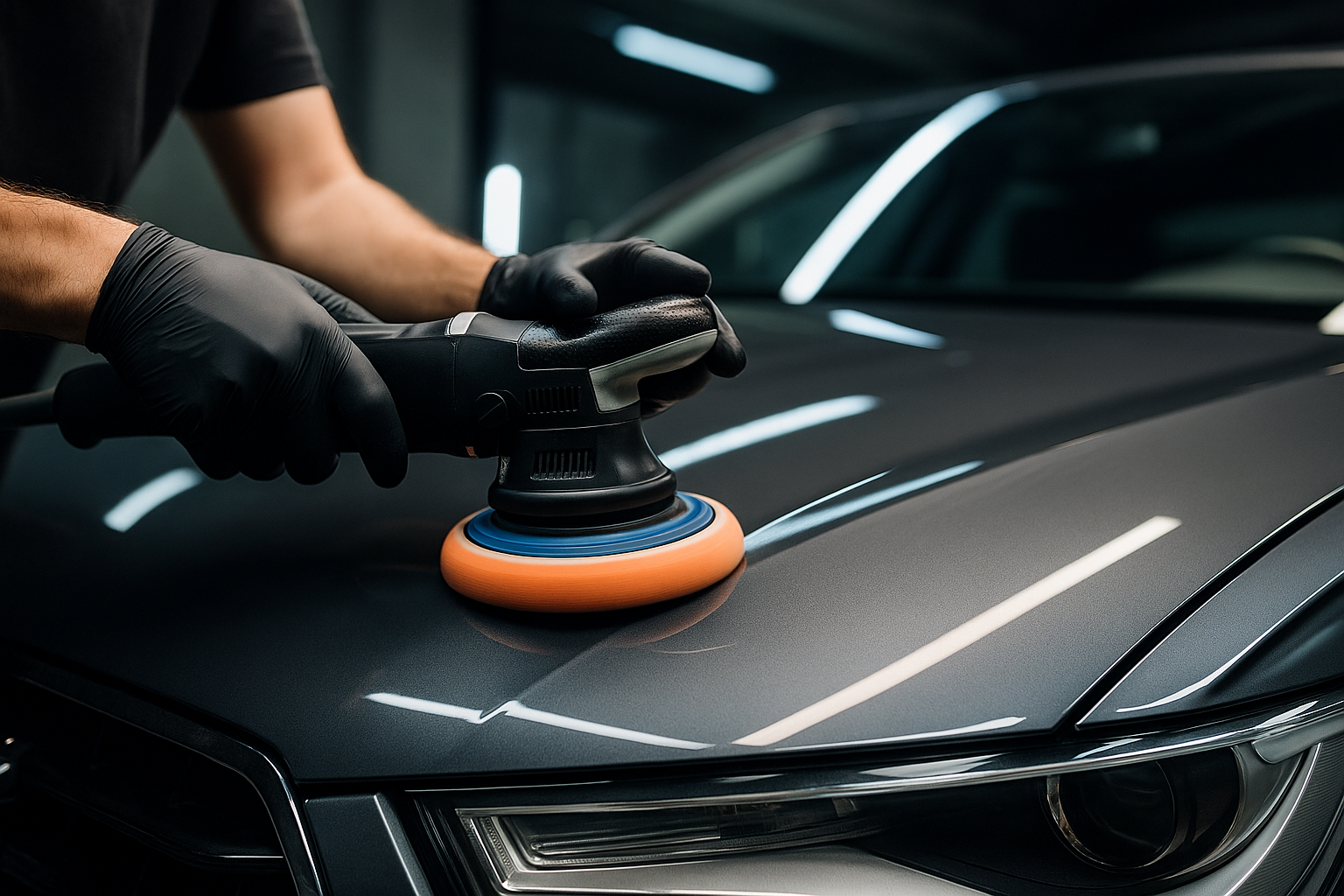
Buffing is one of the best ways to fix scratches and bring back shine — but it also removes a tiny layer of clear coat. When done wrong, it can damage paint instead of improving it.
The key is knowing the difference between safe polishing and aggressive buffing that can burn or thin paint. With the right tools and technique, buffing is completely safe and can dramatically improve your car’s finish.
When Buffing Becomes Dangerous

Buffing becomes unsafe when:
- The buffer is held in one spot too long
- High-speed rotary polishers are used incorrectly
- The pad is too aggressive for the paint
- The clear coat is already thin from age or previous polishing
These mistakes can cause burn-through, swirl marks, haze, or dull spots — all signs the clear coat has been damaged.
If your paint feels rough, chalky, or already has thin clear coat, aggressive buffing can make things much worse.
How to Buff Your Car Safely
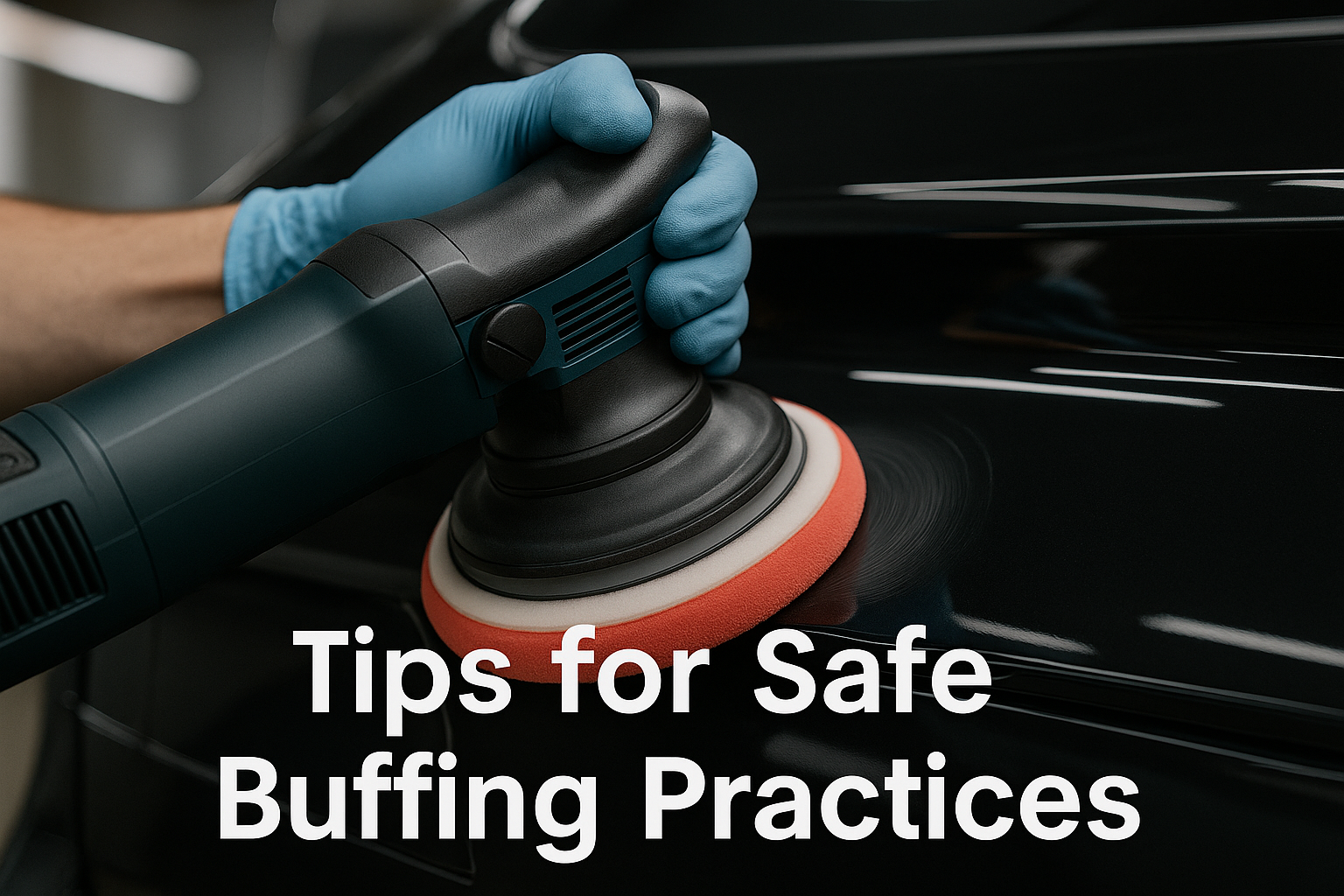
Buffing is safe when done correctly. Here’s what matters:
- Use a dual-action polisher, not a high-speed rotary
- Choose the right pad and polish for your paint condition
- Keep the machine moving — never hold it still in one spot
- Work in small sections with light to moderate pressure
Professional detailers also measure clear coat thickness and adjust the technique to prevent damage.
Conclusion
Buffing won’t damage your paint when done the right way — but improper technique can burn through clear coat quickly. If you’re not sure about your paint condition or want guaranteed safe results, a professional polish is the best option.
📍 RetroClean Detailing offers expert scratch removal and machine polishing to restore shine safely and correctly.